
Wellness Hardware

Recovery Devices and At-Home Performance Market Outlook 2026

A refreshed look at massage guns, compression, red light, cold therapy, and consumer willingness to pay for recovery at home.

Updated May 9, 202611 min
Audience

Built for Wellness hardware brands, retail buyers, sports performance teams, and direct-to-consumer marketers.

Each report connects market evidence with the consumer habits, purchase triggers, and practical choices that shape demand.

Behavior

Recovery has crossed from athletic niche to wellness routine

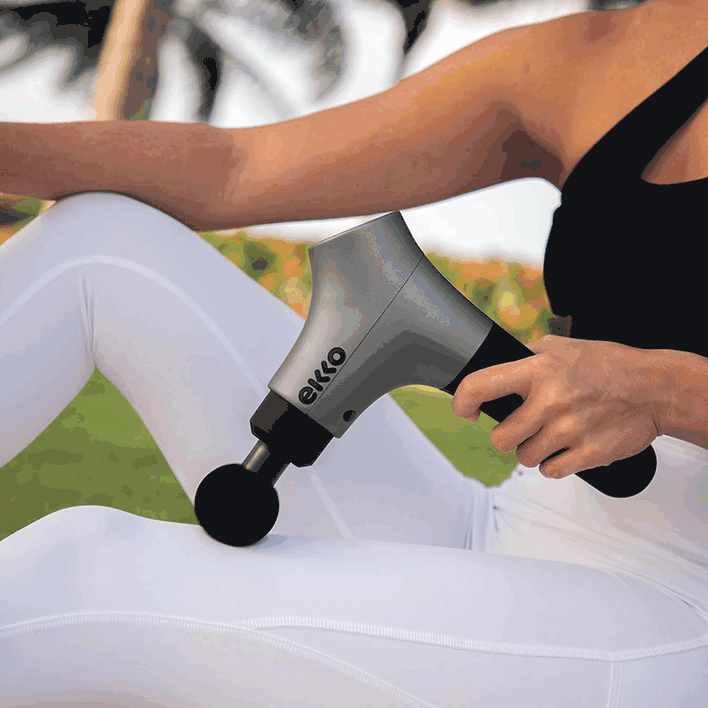
Consumers use recovery products for soreness, stress relief, sleep preparation, posture discomfort, and self-care routines. That broadens demand but makes claims riskier.

  • Massage guns need clearer education around intensity, use time, and contraindications.
  • Bundles can pair device, app guidance, and replacement parts to improve retention.
  • Recovery products should avoid medical overreach unless evidence and regulatory review support it.
Offer Design

The market rewards confidence and ease

Consumers want to know which attachment to use, where to use it, how long to use it, and when not to use it.

  • Interactive routines can be a differentiator when they reduce uncertainty.
  • Quiet operation and ergonomic design matter for household use.
  • B2B partnerships with gyms, physical therapy clinics, and employers can lower acquisition cost.
Executive takeaways

What the report concludes

Recovery products need education-led UX, not just stronger motors.

Stress and sleep problems expand the audience beyond athletes.

Credible claims and clear guardrails protect brand trust.

Full report

Receive the full report by email

Use a work email to receive the PDF and help us understand the kind of research your team is evaluating.

Sources

Research Base